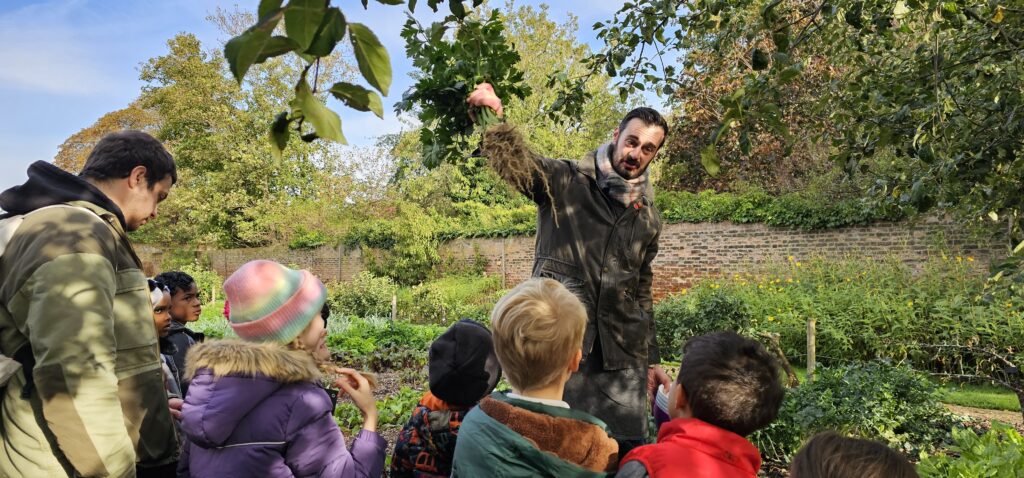
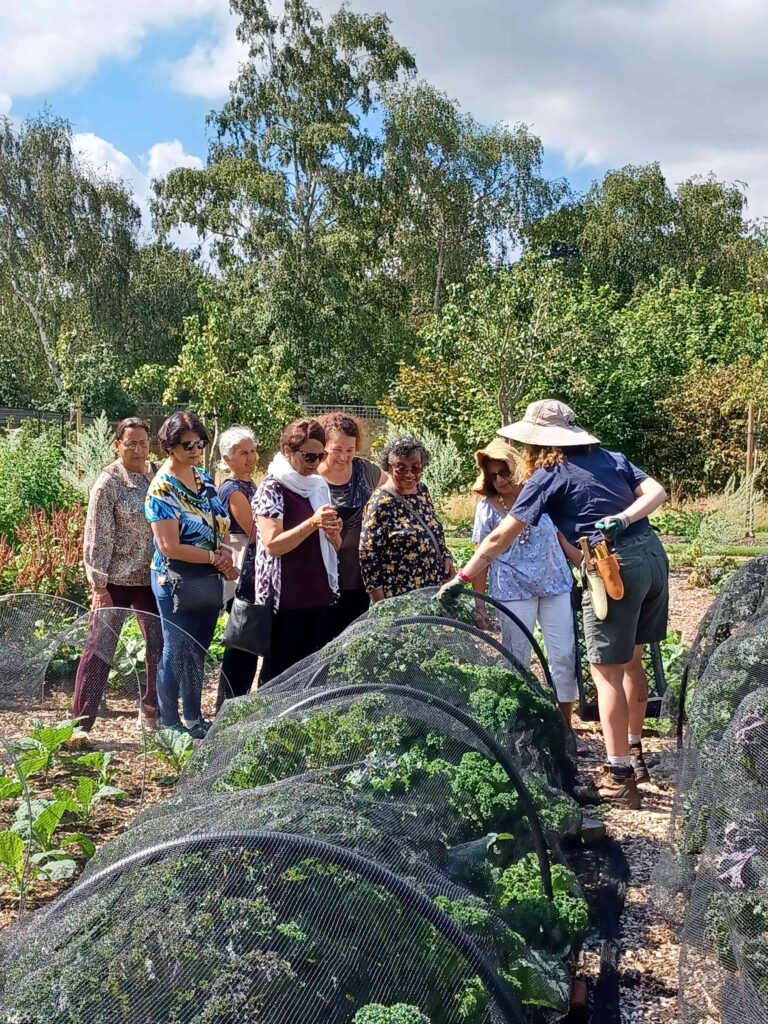
In recognition of the importance of accessible outdoor space and participation in outdoor activities to support physical and mental wellbeing, the Chiswick House and Gardens Trust (CHGT) partnered with the community, schools, and other charities to co-develop their derelict Kitchen Garden and co-create a thriving community programme.
Shaping the garden with the community
Inspired by the potential of the walled Kitchen Garden as a space for learning, sanctuary, and inspiration, CHGT embarked on an extensive consultation process across Hounslow with community groups. The focus was on engaging underrepresented and underserved communities to understand their needs and explore how the garden could provide meaningful support. These consultations led to wider conversations with various stakeholders, including local councillors, cultural organisations, and heritage bodies like English Heritage and Historic England.
The insights gained shaped the objectives of the resulting Growing Together at Chiswick House community programme, initiated in 2021 and funded by The Linbury Trust. The initiative focuses on supporting those who face barriers to engagement, enhancing physical and mental wellbeing, and fostering connections to nature. It does this by offering opportunities to come together regularly to garden, cook, be creative, and co-develop a wide range of nature-based projects.
To revitalise the space, CHGT collaborated with a diverse group of community groups self-identified through the consultation, which has now grown to include over 50 local partners and schools. The co-design approach has not only empowered residents to shape the space and its use, but also lent a unique and dynamic character to the garden and provided opportunities for knowledge exchange between all participants. For example, with input from partners Trinjan and The Masbro Elders Project, the Tea Garden was expanded in 2024 to feature 54 different plant species, enriching the garden’s biodiversity.

Our groups often think that we are sharing our skills with them, but the learning goes both ways. We have learnt as much from them about the meaning of plants, how they are used, their cultural and medicinal importance, and the stories they hold.
Rosie Fyles
Head of Gardens
A community resource
The programme has allowed its partners to develop meaningful activities that address the identified needs and gaps in local services by:
- engaging over 3,000 individuals from underrepresented and underserved communities;
- developing the skills, experience and social networks of over 200 volunteers, who contributed 6,000 hours in 2023 alone to the maintenance, development, and presentation of the House and grounds;
- donating half of the garden’s produce to local food charities, supplying 1.2 tonnes of food in 2023, equivalent to 2,600 meals, for vulnerable individuals and low-income households; and
- providing apprenticeship opportunities to local residents, offering pathways to employment.
The collaboration has not only revitalised the garden but also strengthened CHGT’s organisational resilience, by fostering a strong network of community partners, dedicated volunteers, and local organisations. Increased community engagement has attracted new funding streams, so ensuring the programme’s financial sustainability.
(The Growing Together at Chiswick House programme) gave them a sense of belonging and appealed to migrant communities who were yearning for their metaphysical home. They gained knowledge of growing, plants, and horticulture, and it was extremely beneficial.
Community Group Leader
The power of partnership and patience
CHGT’s experience with working with the community through the programme has provided valuable learnings and insights:
- People over activity – CHGT found success by focusing on building long-term relationships rather than the delivery of activities, letting themselves be led by the changing needs of their partners. For instance, as the community groups’ confidence grows with time, CHGT moves away from developing in-depth projects, to supporting more self-led activities and facilitating jointly funded projects.
- Good co-design takes time – Collaborative projects require patience and time to build partnerships, develop trust, and encourage shared decision making. While this process can be slow, it leads to more meaningful and impactful outcomes for all involved.
- Continued consultation is key – Keeping an open channel with stakeholders is essential to ensuring that the Garden remains vibrant and relevant to the community. Regular feedback helps CHGT adjust activities to meet the evolving needs of participants.
- Building strong relationships – Strong, sustained partnerships are built on regular contact, clear communication, and shared goals.
- Minimising conflict – Early identification of each group’s unique needs helps prevent challenges later on and ensures that everyone involved feels supported. CHGT’s alignment with local council priorities has also helped to ensure smooth project execution.
Expanding and sustaining the collaborative work
As demand for collaboration at the garden continues to grow, CHGT is embarking on a new capital development project to expand their facilities and accommodate more community-led activities.
There are also plans to broaden the programme’s volunteer offerings, encouraging people from diverse backgrounds to engage in ways that suit their needs, such as less frequent or less physically demanding tasks.
CHGT will continue to foster its relationships with local groups and extend its reach to schools in neighbouring boroughs to offer both facilitated and self-led resources.
The lessons and experience from the community programme will inform work to maintain, expand, and pilot activities at the new Cedar Yards Community Development & Creative Campus, which aims to improve community wellbeing, confidence, and connection to nature.