There are a host of well-documented benefits to organisations collaborating—from improving awareness, sharing, and learning new skills, fostering innovation and gaining larger reach to building resilience and sharing risk. Why then, given these, are formal mergers between organisations seen in such a negative light?
If our organisations remain dedicated to the change we wish to see in the world, can we afford to keep considering mergers as an option of last resort, or should we be reframing them as a tool for ultimate collaboration and greater impact?
When the trustees and senior leadership teams of the South West London Environment Network and Environment Trust first sat down to consider a merger between the two charities in mid-2019, the potential for greater impact on the built and natural heritage, parks and green spaces, communities and climate of south and west London was clear.
The South West London Environment Network and predecessor organisations had been actively supporting community-led environmental action in south west London for nearly two decades. Their work focused on preserving and protecting parks and green spaces, supporting biodiversity, and encouraging sustainability and energy efficiency through empowering residents, communities, and voluntary groups to act.
Established in 1984, Environment Trust were focused on nature conservation, heritage preservation and education. They undertook practical nature conservation, restoration of historic buildings at risk, horticulture, education, and history projects. Their business, corporate and youth volunteering programmes connected a wider range of people to the parks and green spaces on their doorstep.
The merger created a transformational opportunity for both organisations to integrate, improve and expand service delivery, and significantly increase impact. At the same time, it eliminated confusion for the public and funders arising from having two similar organisations working in the same geographical area. It has increased sustainability and long-term resilience through realising efficiencies—for example through sharing office space, finance, and systems costs. It was far from plain sailing, especially given the backdrop of the pandemic and having to integrate two separate staff and trustee teams whilst remote working. However, almost one year since the merger and the launch of Habitats & Heritage, we are starting to see a multitude of benefits.
With public discourse around the sixth mass extinction, evidence continuing to be published around the health and wellbeing benefits of accessing parks and green spaces born out of the increased use of local green spaces during lockdowns, the public have been becoming increasingly conscious about the environment and enhancing and protecting green spaces. This has seen a rise in people looking to get involved in green spaces, which has intensified the need to build more engaged and empowered communities that are prepared to act at a local level.
The charity’s youth volunteering programme with Duke of Edinburgh students has been connected to other work empowering friends of parks groups. We can now provide boots on the ground to help undertake practical nature conservation and gardening activities, in addition to supporting communications, fundraising, project management and governance.
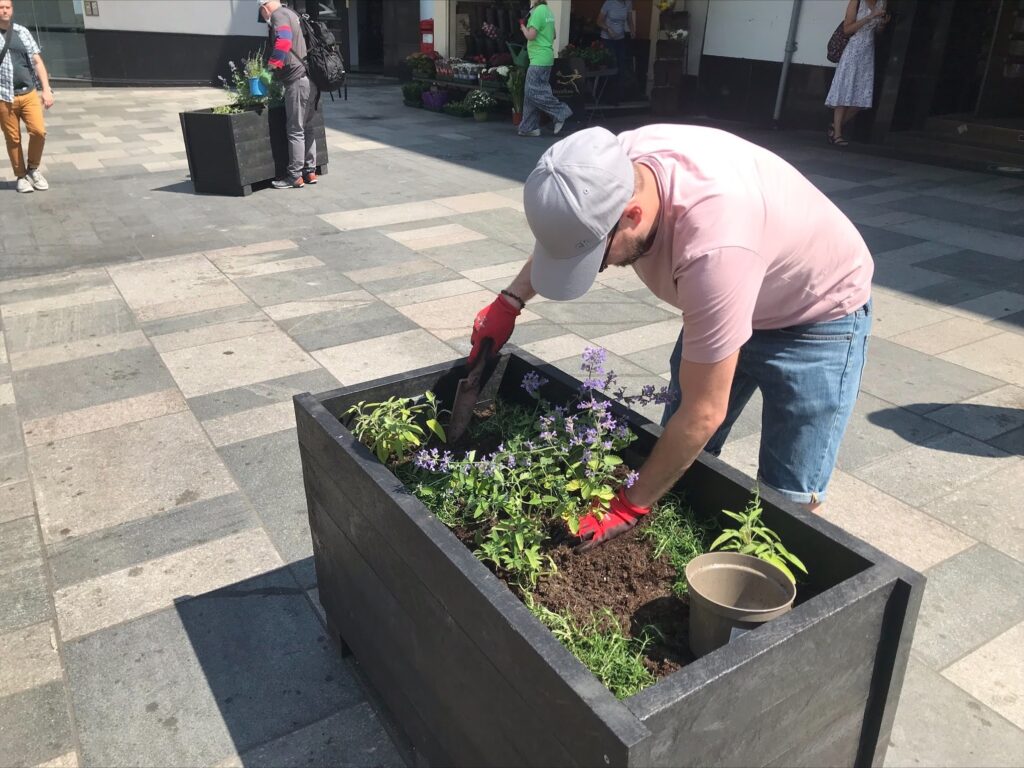
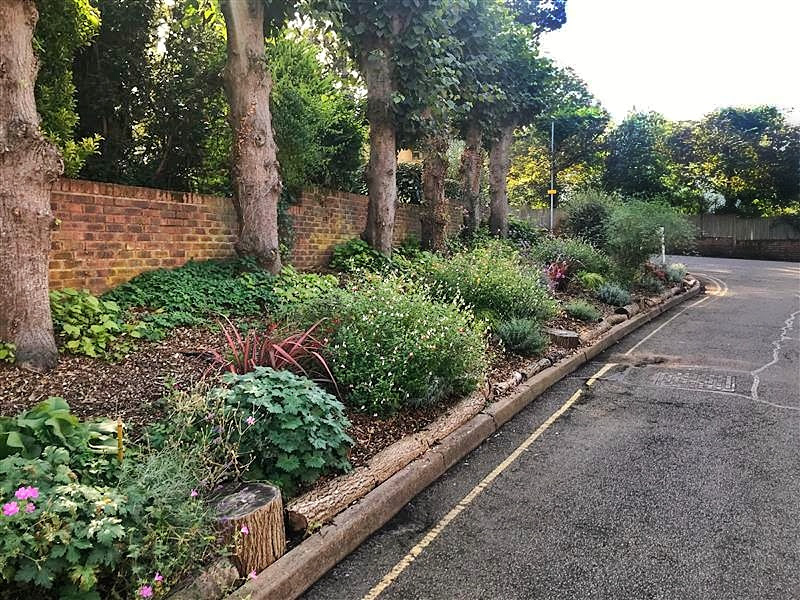
South and West London has a rich and intertwined natural and historical heritage. Indeed, satellite views show the predominance of green space and waterways—many connected to small or large heritage sites. A satellite’s-eye view also demonstrates the tantalising possibility of connecting green space and creating wildlife corridors. The charity’s Green Hubs project seeks to connect these fragmented landscapes through the creation of community-led biodiversity stepping stones between larger fragmented green spaces using underutilised spaces, such as roadside verges, high street planters, and wayside gardens. This also enables communities and wildlife to thrive through improved biodiversity, connection, and wellbeing.
Colin Cooper
Chief Executive Officer at Habitats & Heritage