In Liverpool, a series of nature-based interventions were implemented under an urban greening and monitoring research project through a collaboration between WSP, Liverpool City Council, Mersey Forest, and the University of Liverpool.
Funded by the European Union’s Horizon 2020 programme for research and innovation, the URBAN GreenUP project aimed to develop and validate methods for renaturing urban environments. By piloting various nature-based solutions (NBS) and collecting data, the project aimed to build a strong case for greater investment towards nature-positive action.
Addressing urban challenges
As one of eight partner cities in the project, Liverpool sought to use NBS to tackle key urban challenges such as fragmented urban systems, poor pedestrian and cyclist connectivity, urban flooding, and biodiversity loss.
The project partners came together to design and test a variety of interventions aimed at linking strategic sites and increasing biodiversity, while closely monitoring the environmental, social, and economic impacts. From 2017 to 2023, WSP developed detailed designs and supervised the installation of green infrastructure corridors across the city, contributing to the implementation of over 40 NBS within the business and commercial district of the city centre, the Baltic Quarter, and the Jericho Lane and Otterspool areas.
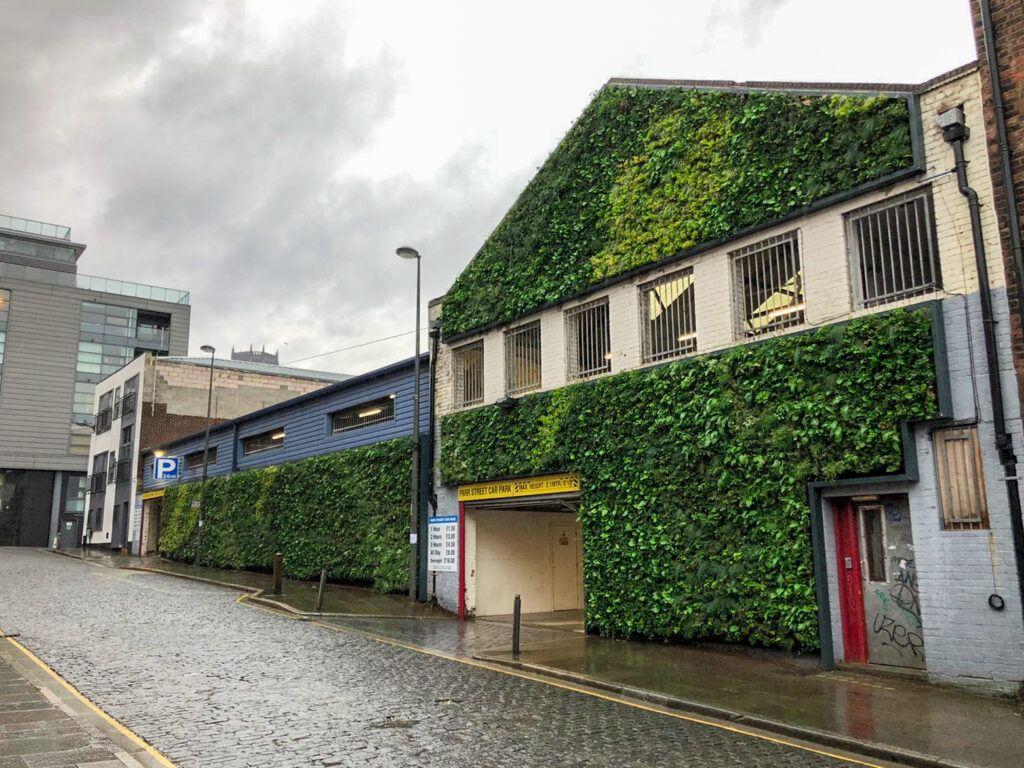
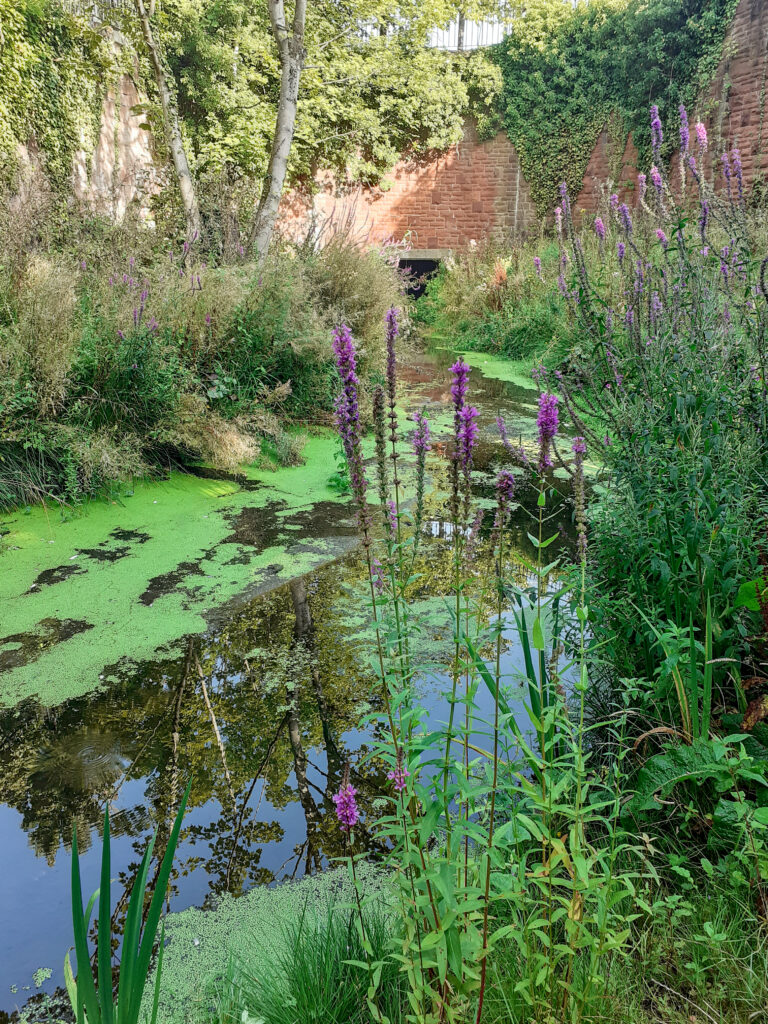
The green corridor in the Baltic Quarter included the creation of a 130 m² green wall and a floating island in Wapping Dock to recreate salt marsh and estuarine habitats. The other corridor enhanced pedestrian links between parks in the Jericho Lane and Otterspool areas, with more interventions along the route such as sustainable drainage systems (SuDS) installed to manage localised flooding, native trees planted for cooling and natural filtration, and pollinator verges added to boost biodiversity.
Measuring impact
A central aim of the URBAN GreenUP project was to document and evaluate the benefits of these interventions against a range of defined criteria with a well-established baseline. A feasibility study was conducted, followed by a 12-month monitoring period to establish baseline data. In order to measure the effects on air and water quality, biodiversity, socio-economic factors, and community perception, a further two years of monitoring is being carried post installation.
This extensive monitoring allowed the project team to capture a range of positive outcomes, including:
- the sequestration of 5,032.8 tonnes of CO₂;
- the reduction of surface temperatures by 7.5°C due to the shade provided by newly planted trees;
- energy and carbon savings from reduced stormwater entering sewers valuing £4,799 annually;
- a 13.9% increase in walking levels across the city; and
- improved access to green spaces for 11,700 households and 23,500 residents.
Long-term benefits and future potential
The project demonstrated the value of NBS in urban environments, showing measurable environmental, social, economic benefits. To help inform future urban greening initiatives and strengthen the business case for NBS, the collected data has been made publicly accessible through an online database. It is hoped the evidence will be instrumental in fostering greater confidence for investment in green infrastructure to address urban challenges.
The project’s success also underscored the importance of cross-disciplinary collaboration. Each partner brought unique strengths, significantly enhancing the project’s impact and long-term legacy. Liverpool City Council led the initiative, WSP contributed technical expertise, Mersey Forest provided input in green infrastructure and data monitoring, and the University of Liverpool helped in data analysis. The University’s Department of Geography & Planning also played a pivotal role by offering advice and support in monitoring the community and environmental impacts. The partnership approach was further enriched by the international exchange of experiences and best practice with other GreenUP partner cities such as Valladolid in Spain and Izmir in Turkey.
WSP is committed to leverage its expertise, learnings, and broad client base to support the ongoing development of more resilient, sustainable cities.

WSP has been a valuable and important project partner. WSP shared its expertise and experience to gently guide Liverpool through the design, tender, and delivery of several innovative nature-based projects aimed at increasing resilience, demonstrating adaptation, and reducing the future impacts of climate change for the city.
Dr Juliet Staples
Senior Project Manager – URBAN GreenUP at Liverpool City Council
Contacts
Matthew Jessop
Technical Director in Landscape & Urban Design, WSP
matthew.jessop@wsp.com
Dr Juliet Staples
Senior Project Manager – URBAN GreenUP, Liverpool City Council
juliet.staples@liverpool.gov.uk