Three years after Harrow Council‘s impressive multi-stakeholder project at Headstone Manor Park, which was featured in the Good Parks for London 2021 report, the project manager reflects on the key challenges faced, the importance of collaboration, and lessons learnt.
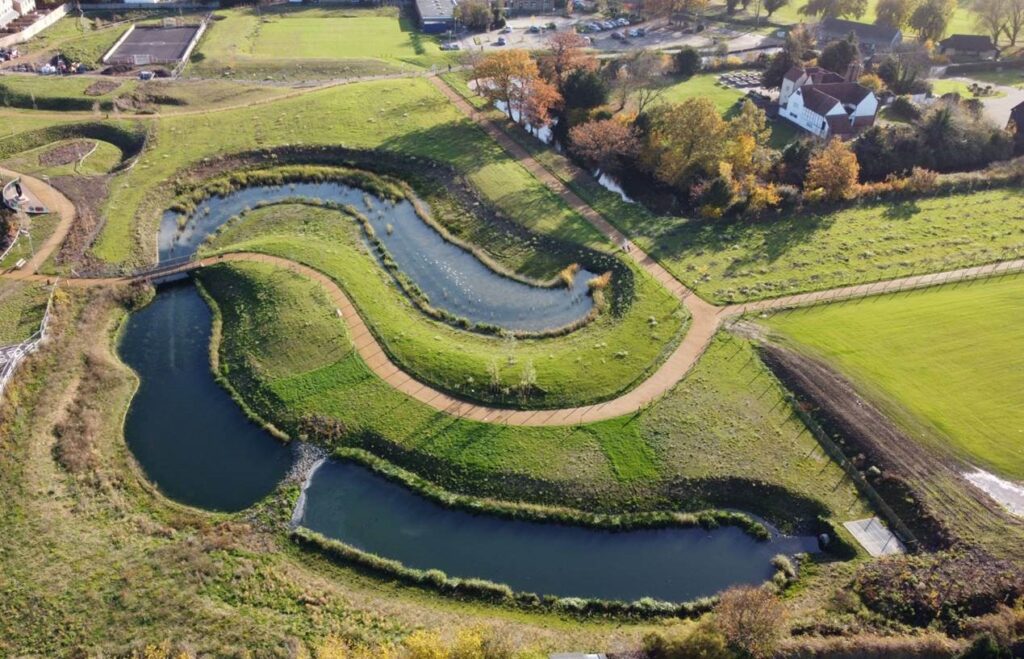
Between 2016 and 2021, Harrow Council, alongside partners Thames21, the Friends of Headstone Manor Park (FoHMP), and the Harrow Nature Conservation Forum, led the transformation of Headstone Manor Park. The project featured the de-culverting of 120 m of Yeading Brook and the creation of wetlands to manage flood risk and improve water quality.
Three years on, we hear from Michael Bradshaw, Harrow Council’s Flood Risk Manager, on where the partnership is in the continued management of the park and learnings from the project.
Why was collaboration so important in this project?
 This was not merely a typical park improvement project—it spanned heritage preservation, river and flood management, and community engagement. Collaboration was key because the project involved a wide array of disciplines: landscape design, ecology, engineering, heritage conservation, and more. This was why the project had as many as 11 stakeholders and multiple funders, to bring together experts from various fields to guide us.
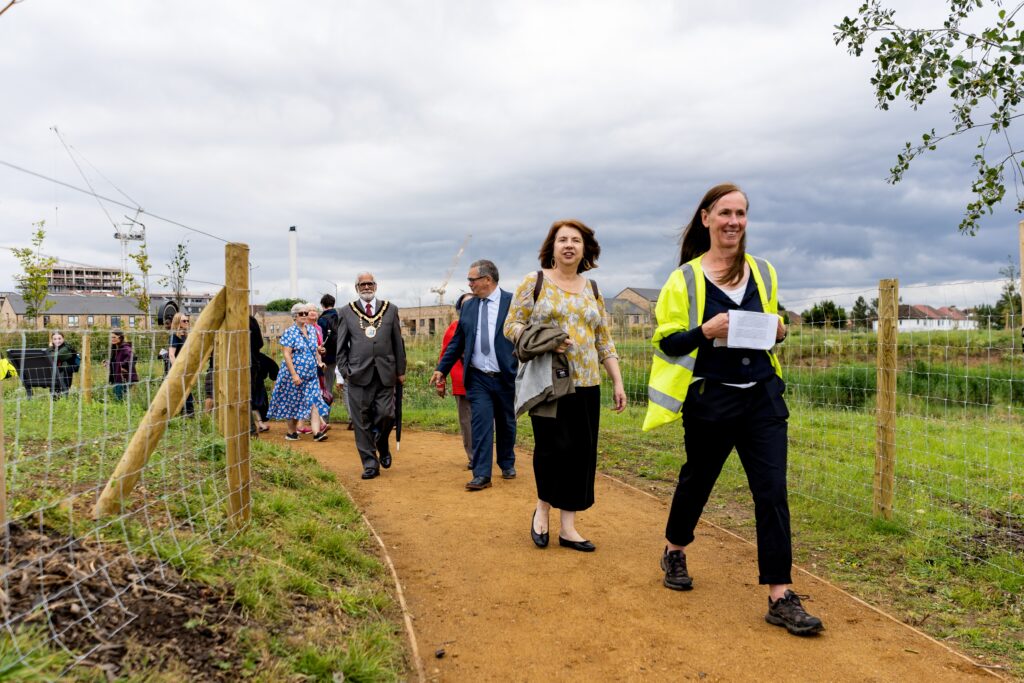
The real standout for me was the community engagement. We consulted residents through surveys, play days, workshops, visitor observation studies, and online consultation to name a few. This feedback shaped our two-year activity plan, which offered educational events and volunteering opportunities led by our Outdoor Learning Officer in partnership with Thames21, FoHMP, and other stakeholders.
Our co-design approach also influenced physical improvements in the park, such as new paths, footbridges, the restoration of the river, and the creation of wetlands. Our partnerships with the Crane Valley Partnership and Thames21 continue to flourish, bringing in new partners and funding, such as from ZSL and the Smarter Water Catchments initiative.
What were some of the challenges?
With so many stakeholders, differing opinions were inevitable. There were times when ideas clashed, but we always referred back to the 11 project objectives outlined in the funding agreement to ensure alignment.
Although we were met with some opposition from the FoHMP when a beloved willow tree growing over the culvert needed to be removed, we were able to convince them by explaining the logical reasons behind the removal and sharing the Council’s wider plans to plant trees and an orchard.
Weather also presented issues. Prolonged wet spells and consecutive COVID-19 lockdowns delayed the project, impacting costs and timelines. We had to adjust by tapping into contingency funds, seeking extra match funding, and realigning our activity plan. In June 2021, we faced a funding shortfall of £265,140, but the National Lottery Heritage Fund approved our request for additional funding, and we were granted a three-month extension to complete financial reporting.
What key lessons did you learn?
Having an experienced project manager with insight into environmental engineering or landscape architecture is vital. As the in-house landscape architect and I have been working in the borough for a long time, we have strong local knowledge of the rivers, trees and landscape. We could also provide the institutional knowledge and learned experience of which consultants and contractors to engage to fill any gaps in-house expertise.
Internally, it was helpful to secure buy-in from local politicians, finance, and procurement teams, ensuring smooth budget management and payment processes. Monitoring and evaluation were equally important—we created a framework and toolkit to track project progress and regularly submitted reports, culminating in a final evaluation.
The community engagement during the project was invaluable. It not only strengthened our relationships with local groups but also raised awareness about the park’s transformation. This engagement led to a growth in volunteer groups and showcased the power of collaboration between the Council and the Harrow Parks Forum.
On the practical side, working with the natural environment brought its own challenges. For instance, choosing the right plants that could thrive in both drought and flood conditions was crucial for the success of the wetlands.
Where is the project now?
We are working hard to maintain the park with limited resources, but collaboration across borough departments has helped tremendously. The project has strengthened our relationships not only within the parks team but also with the infrastructure, community engagement, and planning policy teams. This inter-Directorate approach means we can tap into different budgets and expertise, helping us secure future funding.
The FoHMP has grown beyond our expectations and now collaborates with catchment hosts on activities like water quality testing and biodiversity monitoring. The Council will continue supporting this group through our Community Engagement Team to keep the momentum going and preserve the park for future generations.
Is Harrow Council planning to replicate this project elsewhere?
Absolutely. Building on our strong relationship with Thames21, we are working with them, Thames Water, and Barnet Council on the Action for Silk Stream project, which will deliver 25 nature-based solutions for flood management in the Silk Stream catchment.
Funded by DEFRA, the project will see solutions implemented at Chandos Recreation Ground in Harrow and Watling Park in Barnet. We are sharing the lessons learnt from Headstone Manor Park to ensure even better outcomes for these new projects.
Overall, this project has shown us how successful a multi-stakeholder, community-driven approach can be, and we look forward to applying these lessons elsewhere.

During the project, Thames21 worked closely with Harrow Borough Council, the Friends of Headstone Manor Park, the Harrow Nature Conservation Forum, and the Museum. The purpose has been to develop residents’ understanding of their local waterway, its wildlife, and its role in the wider network of waterways. Sessions have included exploring personal water usage and impacts. For example, how dog flea treatment can end up in waterways, as can silt, oil and toxic metals washed off roofs and roads.
Vicky Duxbury
Outdoor Learning Officer at Thames21
Contacts
Michael Bradshaw
Flood Risk Manager
michael.bradshaw@harrow.gov.uk
Sally Reeves
Landscape Architect
Sally.Reeves@harrow.gov.uk