Conserving wildlife is both a challenge and a necessity. Multiple competing land-uses in urban areas, exacerbated by high population density, and recreational demand on existing parks and green spaces creates its own set of challenges. Despite these challenges, managing and maintaining these spaces is an absolute necessity. Not only is it beholden on us to provide space for biodiversity and wildlife, but we know access to these spaces vastly improves people’s health and wellbeing and helps to mitigate the impacts of climate change.
The London Borough of Hackney has a long tradition of conserving wildlife, much of it led and delivered by community groups and volunteers. Abney Park Cemetery was declared a statutory Local Nature Reserve in 1993 and Hackney’s first Biodiversity Action Plan was published in 2012.
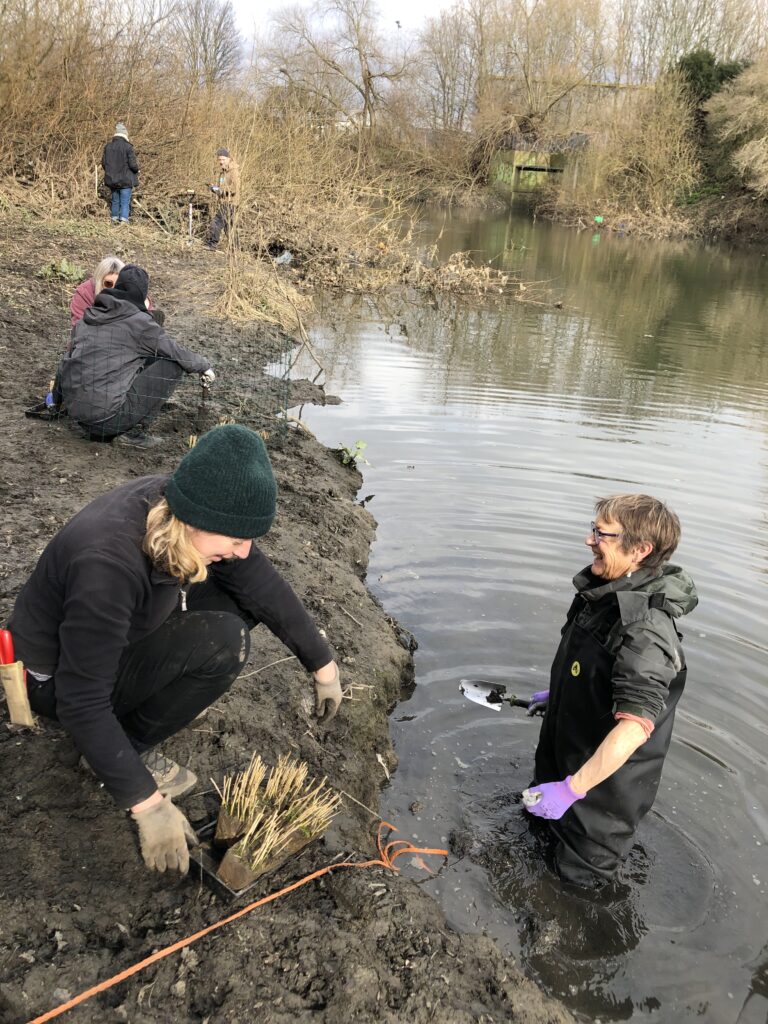
Between then and now, wildlife conservation has been bolstered by a range of projects and initiatives including changes in parks management to allow for the establishment of wildflower meadows; the creation of Woodberry Wetlands nature reserve; an extensive tree-planting programme; and many community-led projects aiming to increase opportunities for wildlife in parks and on housing estates.
Exposure to nature starts early in Hackney, which has agreements with ten Forest Schools to operate in parks across the borough. Children aged 1–11 learn about the natural world in all weathers, taking part in nature walks, creative projects, and tree climbing.
In 2022, Hackney Council started ‘Little Explorers’ in Springfield Park, offering free drop-in activities for the under-fives and their parents and carers, guiding children to discover the parks wildlife, water, trees, bees, butterflies, and plants.
The Council also works closely with the Tree Musketeers, a voluntary organisation who grow trees from seed in a dedicated nursery in Hackney Marshes. The trees are transported to Hackney’s parks, where they are planted, mulched, and guarded. Volunteers water the newly planted trees and care for them until they are established.
The Musketeers also deliver educational walks and talks to help teach others how to look after trees. In 2021/22, they helped Hackney plant 780 trees in Millfields Park, in collaboration with local school children.
In the same year, the Council undertook a review of all its Sites of Importance for Nature Conservation (SINCs) and partnered with the London Wildlife Trust to produce a Local Nature Recovery Plan. The plan divides the borough into five nature recovery areas which identify opportunities for projects and interventions that can help make ecological connections that protect, augment, and connect the SINC network through, for example, enhancements to parks.
The plan identifies a range of plant and animal flagship species, requiring specific measures to conserve and protect them. Volunteers are now helping the Council to deliver improved habitats across the borough in line with the plan.