Spring is here, and with it, wildflowers are bursting into life across our parks, road verges, and green spaces—bringing colour, biodiversity, and vital resources for pollinators and wildlife. Last year, 56 councils joined #NoMowMay, from counties and cities to towns and parishes, with over 30% taking part for the first time. So why is this campaign growing year after year?
Plantlife’s #NoMowMay campaign returns
Registration for projects large and small now open for local authorities
The State of Nature Report 2023 warned that over half of our native flowering plants have declined in range over the last 50 years. With 97% of lowland wildflower meadows lost since the 1930s, grasslands are now among the most threatened habitats in Britain. This loss is thought to be a major factor in the shocking 78% decline in the UK’s flying insect population over the last two decades.
But the solutions are often right in front of us:
- A simple 10 m margin around a football pitch can create a circular wildflower walk, offering a nature-rich space for all ages.
- Decommissioned areas of churchyards can safeguard rare wildflowers and fungi that have survived for centuries.
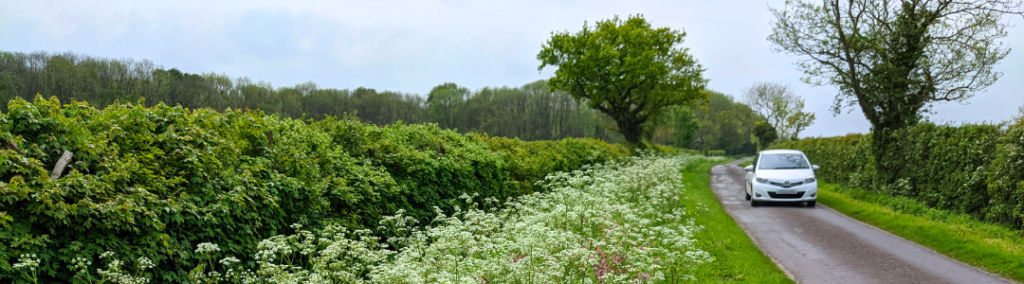
- Road verges—home to 700 wildflower species, including 86 at risk of extinction—can act as vital wildlife corridors when managed for biodiversity.
“Grassland is an undervalued, underrated and unsung habitat that can support so much more life than we allow it to,” says Mark Schofield, Plantlife’s advisor for green spaces and road verges. He implores the need to move away from the idea that short turf everywhere, all year round, is the best we can do.
Across the UK, councils are finding success—whether through small-scale trials or ambitious rewilding projects. With Biodiversity Duties and 2050 Net Zero goals shaping policy, nature-based solutions are becoming an essential part of green space management. Every step towards more resilient parks, verges, and public green spaces is a step towards tackling the climate and biodiversity crises.
#NoMowMay isn’t just about letting the grass grow for a single month—it’s about planning ahead and adapting maintenance year-round to maintain a diversity of species and grassland structure in ways that will enrich the user experience.
Plantlife has been listening to feedback: they are now giving local authorities a longer run-up to #NoMowMay. Engaging communities early, keeping them informed, and providing clear messaging are all key to successful long-term change.
Local authorities can now register for #NoMowMay 2025. Whether you’re trialling a small patch or rolling out a borough-wide strategy, sign up to access resources, case studies, and expert guidance. Your participation helps build the case for more sustainable, wildlife-friendly public spaces.