For the past two and a half years, Haringey Council have been developing a new parks and green spaces strategy, which has been influenced by world events such as COVID-19, climate change, the emergence of the Black Lives Matter movement, and most recently the war in Ukraine.
The evolving strategy has been built around three overarching aims:
- Inclusion and wellbeing—providing inclusive parks and green spaces that all communities in Haringey can benefit from, ensuring the usage and enjoyment of our parks and green spaces reflect the communities living in Haringey and contribute to its residents improved wellbeing.
- Climate change and sustainability—supporting the Council’s declaration of a climate emergency by reducing the carbon footprint of parks and green spaces, protecting and promoting biodiversity, and helping educate everyone in Haringey about contributing towards saving the planet.
- A quality service—securing investment, improving standards, partnerships, communications, and outcomes.
In developing these aims, the Council held a series of meetings and focus groups to engage with internal services and a range of external partners and stakeholders including faith groups; mental health charity, Mind; friends of parks groups; the local community; third sector partners; and representation from older, disabled, LGBTQI, and younger people.
Their input has helped to shape and develop the strategy’s actions:
- to adapt the parks workforce over time and to become more representative of those who live in Haringey;
- to recruit a community engagement officer to work with less-engaged groups so that new and diverse voices can contribute to future service delivery;
- to develop additional open space in areas of deficiency, particularly in the east of Haringey;
- to undertake annual surveys to identify the profile of park users and monitor changes in usage;
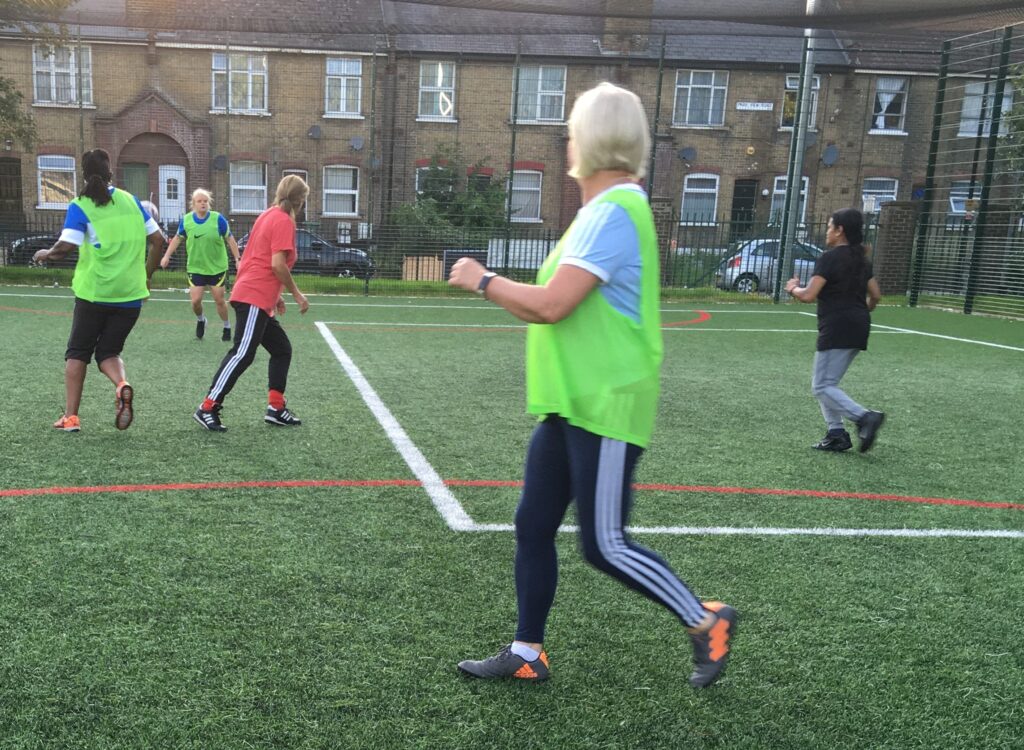
- to identify changes in the design of parks and green spaces and the facilities offered to make them more attractive, safer, welcoming, and accessible to under-represented groups;
- to support the development of new user groups, and develop a programme of activities and events that showcase and support increased usage and involvement by seldom-heard groups, around nature, health and wellbeing, and mindful behaviour;
- to develop a marketing and communications plan that supports increased usage and involvement by seldom-heard groups;
- to communicate with key partners and stakeholders to help them understand and support the priority need for more inclusive parks in Haringey;
- to holding an annual celebration of community involvement and activity in parks; and
- to review internal and external funding options for inclusive parks.
To help drive the strategy, the Council will formalise relationships with key representative community organisations to enable a coproduction approach to areas such as improvement projects and the development of new policies and processes.
The Council will support the establishment of further community forums for joint working approaches towards the management of trees and nature recovery. These are in addition to existing forums for friends’ groups, allotments, rivers, and climate change.
Haringey’s inclusive and joint working approach seeks to further improve public satisfaction with parks and green spaces in the borough and empower a range of community groups to express their needs about parks.