The London Borough of Barking & Dagenham started a ground-breaking, innovative, and ambitious climate response and environmental project in late 2020 to thank those who dealt with the immediate effects of the pandemic, whilst addressing the longer-term, but equally urgent, climate emergency.
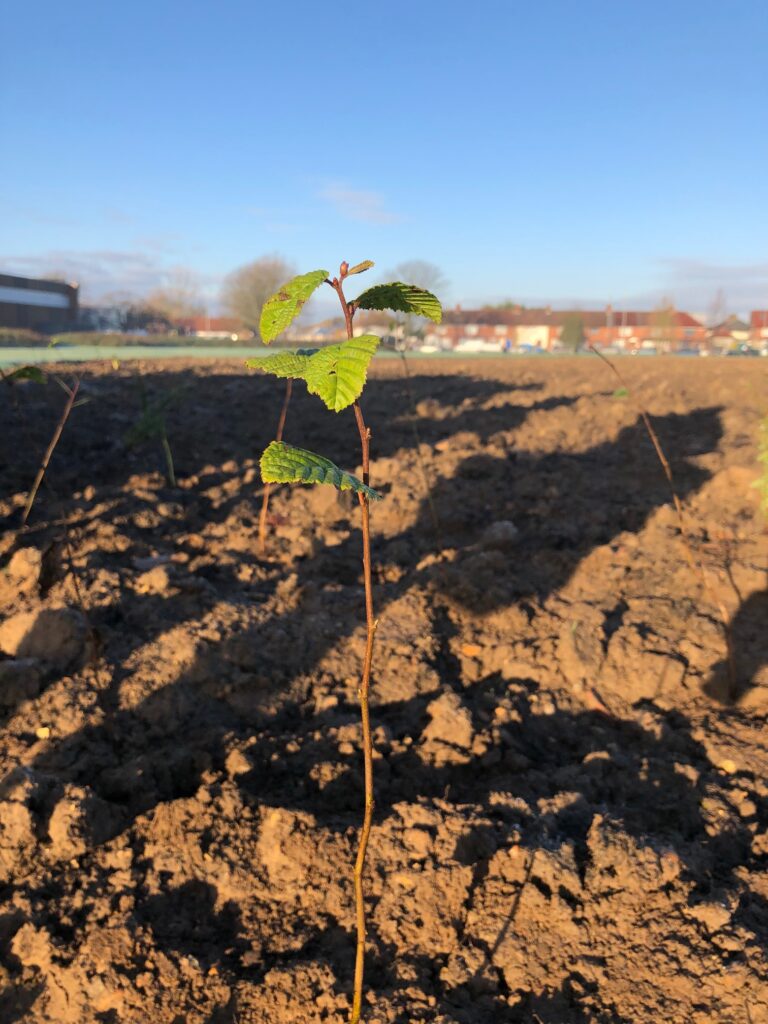
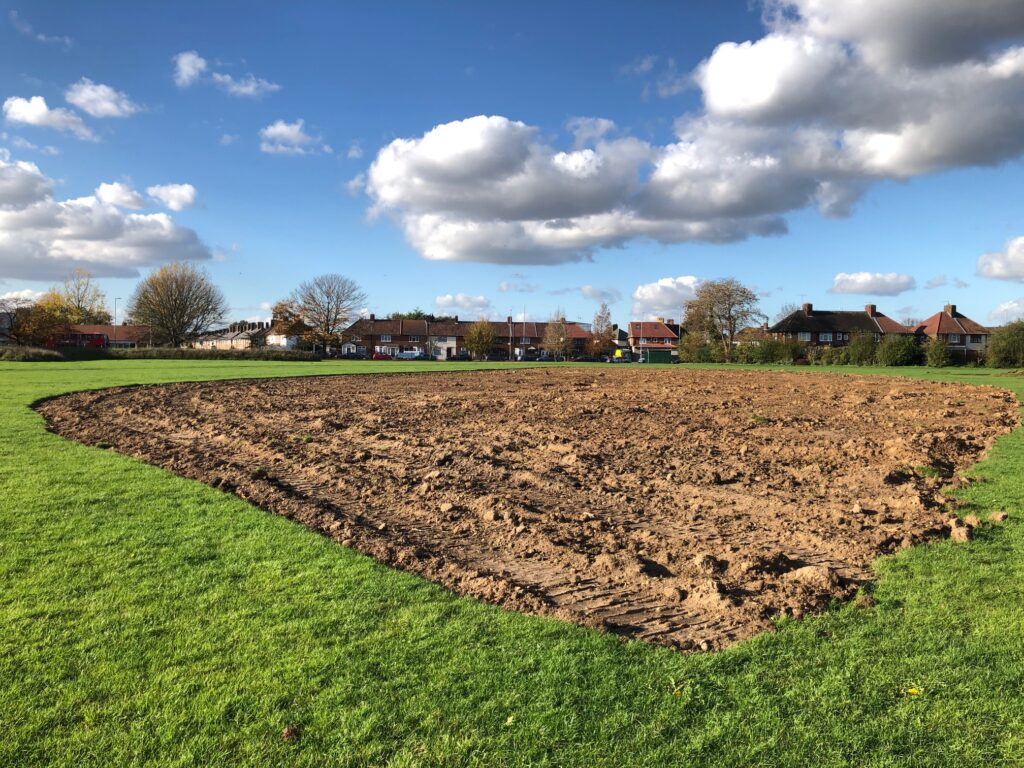
In November 2020, the Council planted a Forest of Thanks at Parsloes Park in Dagenham to celebrate those who went above and beyond in the response to the pandemic. This includes local NHS staff, keyworkers, and all of those who continued to work during the pandemic and kept the community safe. Almost 28,000 new native trees and shrubs were planted across a hectare-wide site using the Miyawaki to create the largest Miyawaki project to date in Europe.
Barking & Dagenham’s corporate plan 2020–22 set out an ambition to become the green capital of the capital, playing their part in addressing the climate crisis through carbon reduction and increasing the sustainability of the environment. The forest helps address their strategic priority to provide a green local environment and make a significant impact toward the Council’s climate commitment.
The Council wanted to create a new community forest of scale in an urban area to pioneer, understand and learn more about the Miyawaki method; significantly increase the biodiversity in Parsloes Park and the local area; create a natural space that was both positive for the climate and local environment (but also aesthetically pleasing and accessible for the local community); and develop a planting concept and way of working that might easily be replicated across the UK.
Working with community and corporate partners, and planned over a six-month period, the project culminated in this incredible ambition being made a reality over a two-week period in November 2020, introducing 24 native tree and shrub species to the local area.
Utilising the Miyawaki method, Barking & Dagenham hope to establish a forest up to 30 times more dense than conventional tree planting. These forests grow 10 times faster than a regular forest, are chemical and fertiliser free, and become self-sustaining from as early as the third year after planting. As a result, the environmental benefits of the forest will be achieved faster, sequestering more carbon per square metre than traditional planting as well as supporting and enhancing local biodiversity.
It is expected that just four years after planting, the forest would have; absorbed 24,000 kg of carbon (up to 30 times better absorption compared to other tree-planting schemes); improved biodiversity; processed 1.5 million litres of rain; improved air quality by reducing polluting floating particulates by up to 10%; and seen up to 30 times better noise reduction than other tree-planting schemes.
Key to the success of the project was the adoption of a collaborative approach among key partners across the public, private and charity sectors, who are keen to replicate this model with other Local Authorities. The project was funded by a mix of investment from the Council and private investment in the form of tree saplings kindly sourced and donated by The Conservation Volunteers and their partners NatWest. Other partners including SUGI and Thames Chase Community Forest were invaluable in providing expertise on the Miyawaki planting method, developing the planting scheme design, and supporting the tree planting with volunteers.
The response from the local community continues to be overwhelmingly positive. The Council was mindful that this was a significant project of scale taking place in a very popular park, and so worked hard to inform residents about what was happening, why they were doing this, and how they might get involved.
Despite pandemic restrictions putting a damper on any direct engagement with residents during the tree planting period in November 2020, a further 2,000 trees for the forest, along with 6,000 more for other parts of Parsloes Park, will be planted by residents in early 2022 should restrictions allow, enabling engagement with the community and ensuring residents truly feel part of the project.