The impacts of climate change are far-reaching, sparing neither wildlife habitat nor human development, and are especially felt in large, urbanised cities like London. We are seeing fluctuations in climatic conditions that result in heatwaves, droughts, floods, poor air quality negatively impacting our health, increased risk of pests and diseases and a range of other problems.
Our parks and green spaces are not immune to these extreme changes, despite being a key component in alleviating them and combating climate change, by helping to store carbon, improve air quality, provide shade and cooling, reduce surface run off, and provide vital habitats for wildlife in an urban setting.
This makes the work being done by London’s landowners and managers in adapting our parks and green spaces to be more climate resilient and better utilised to mitigate climate change even more vital.
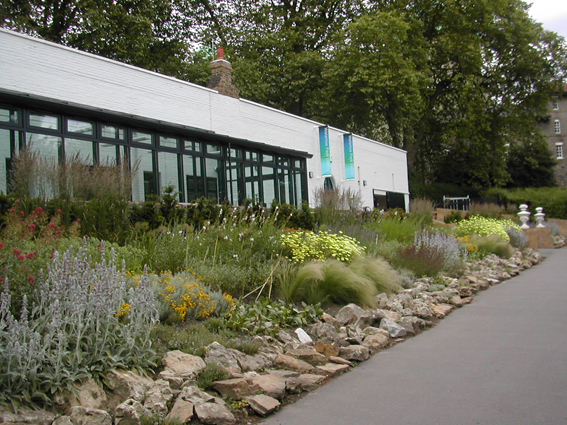
Over the last few decades, many parks have re-landscaped areas subject to drought into dry gardens and conversely areas prone to flooding have been planted with flood tolerant species. By working with nature, rather than against it, operational practices have changed to create more naturalistic planting, such as allowing grass areas to grow long, flower and seed, or interplanting turf with flowering natives to create meadows, which increase food for pollinating insects.
Some parks have stopped the use of peat and even bedding plants in favour of more sustainable perennial plantings. The practice of watering turf is now restricted to smaller areas like cricket squares and bowling greens to conserve water. Where extreme weather conditions such as storms bring trees down, it has become more common to make them safe but to leave them in situ to support wildlife and provide incidental play.
Read on for a selection of case studies on climate change action in parks across London. These will be made available on our website’s Resources Hub, showcasing a growing number of diverse interventions and innovations that are worthy of replication. If you know of other projects that would be suitable for sharing as case studies, please contact us.
Case studies on climate change action
a. London Borough of Barking & Dagenham
b. London Borough of Harrow
c. The Royal Parks
d. Queen Elizabeth Olympic Park
e. Glendale